
Who Are Our Safety Alarms For?
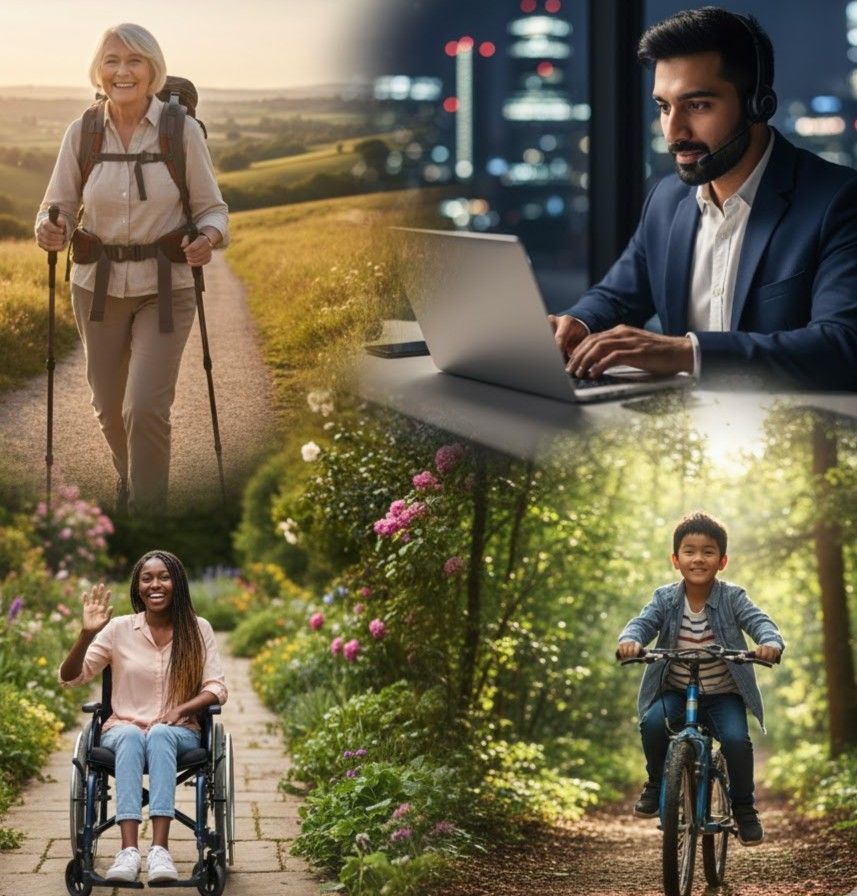
Safety alarms aren't just for one type of person. We've designed our alarms for elderly people living alone, workers on solo shifts, anyone with medical conditions, people with disabilities, children who are starting to go out on their own, and vulnerable adults who need extra support. Basically, if you or someone in your family needs to get help quickly at home, work, or when you're out and about, that's what our pendant alarms and safety watches do.
Lone Workers
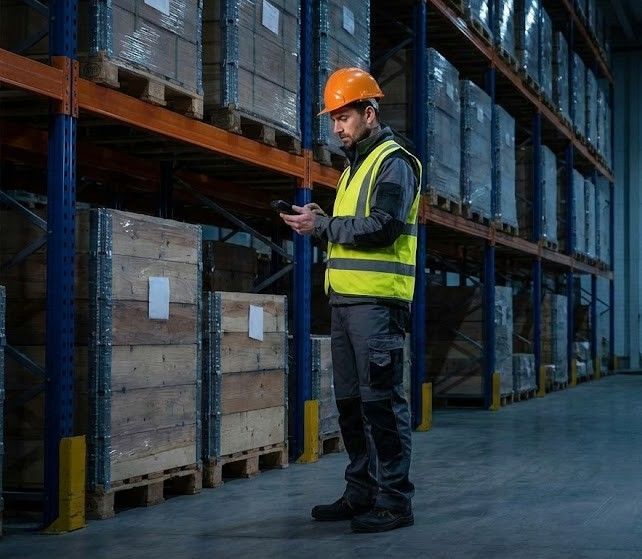
Working alone comes with its own risks. Whether you're in a warehouse at night, visiting client sites during the day, or doing fieldwork miles from the nearest colleague, there's always that thought in the back of your mind: what if something goes wrong and nobody knows?
That's where our safety watches come in handy. They check in with you automatically during your shift. Miss a check-in or hit the panic button, and our team knows immediately. The GPS shows them your exact location, which matters especially if you've had an accident and can't speak or don't know the exact address you're at.
Your employer has legal obligations to keep you safe when you're working alone. Our system helps them meet those requirements whilst giving you actual protection, not just a tick-box exercise.
Elderly People & Seniors
Getting older often means spending more time at home alone. That's fine most days, but what happens if you have a fall in the bathroom? Or suddenly feel dizzy while making a cup of tea? Those moments can be scary, especially when your phone's in another room.
Falls are one of the most common causes of injury among older adults, with millions of seniors experiencing falls each year. That's why our pendant alarms are so straightforward. You press one button, that's it. Then you can speak directly through the alarm to someone on our team. They'll hear you clearly and get help sent to you right away. No fumbling for your mobile. No trying to remember emergency numbers when you're already stressed.
Wearing one means you can keep living independently at home. Your children or grandchildren get peace of mind too. The alarm works round the clock - in the bathroom, in the garden, even at 3am. Because you wear it constantly, help really is always within reach.

People With Medical Conditions
Living with a heart condition, epilepsy, or diabetes means you've probably thought about worst-case scenarios. What if you have a seizure when nobody's home? What if your blood sugar drops dangerously low? What if chest pains start and you can't get to your phone?
Our pendant alarms work even when you're in the shower or getting dressed - times when you're most likely to be without your phone nearby. You wear it constantly. When you press it, our monitoring centre already has your medical information on file. That means paramedics arrive knowing what condition you have and what they might be dealing with.
There's real comfort in knowing that even if you can't explain what's happening - during a seizure, for example - help is already on its way because you managed to press that button.

People With Disabilities
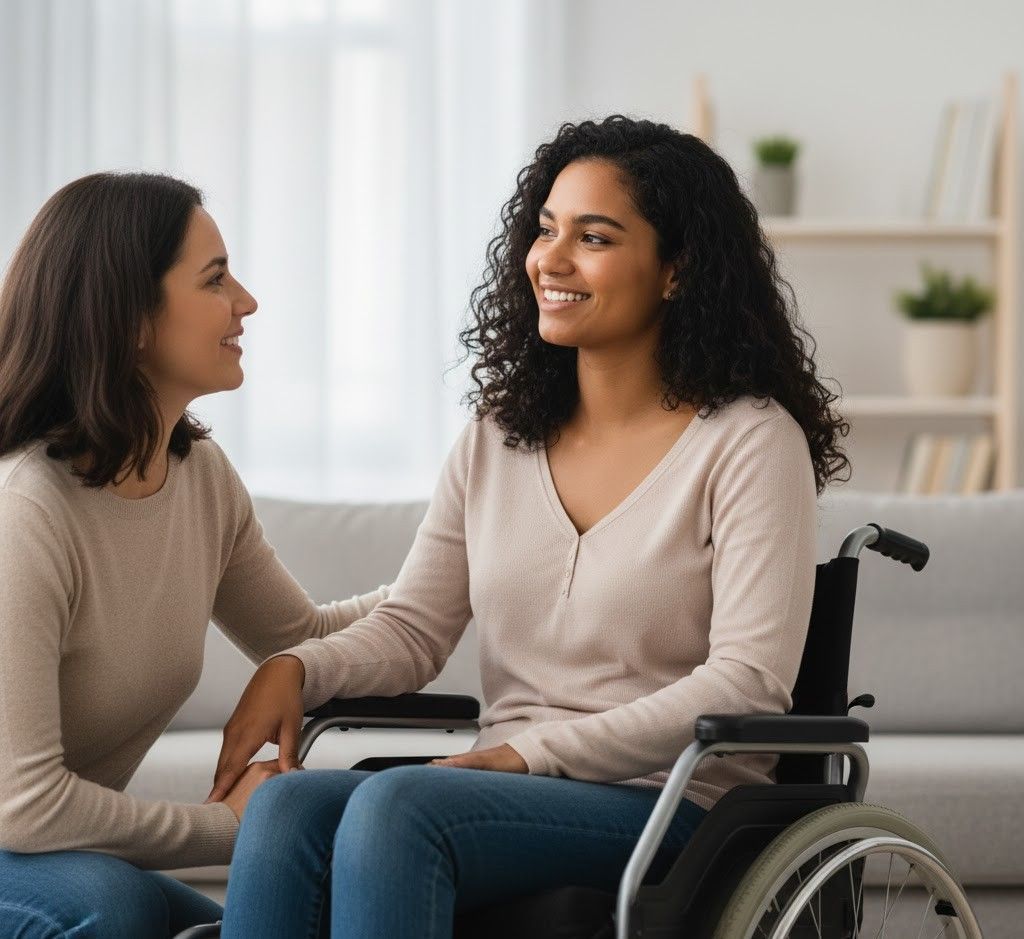
Standard emergency systems aren't designed with everyone in mind. If you use a wheelchair, getting to a phone after a fall during a transfer isn't realistic. If you're deaf or hard of hearing, you might not hear a standard alarm. If speaking is difficult for you, explaining an emergency over the phone adds stress to an already stressful situation.
We've tried to think about these things. Our alarms have visual alerts and vibration settings for people with hearing loss. There's literally one button - no complicated sequences to remember when you're panicking. You don't need to be able to speak for it to work. Our team knows that when that button's pressed, you need help, full stop.
The alarm adapts to fit your life and your disability, rather than expecting you to adapt to the technology. Help comes whether you can speak, move, or hear - because none of those things should be barriers to staying safe.

Vulnerable Adults
Caring for someone with dementia brings specific worries. Will they wander off and get lost? If someone with mental health issues lives independently, how do you support them without taking away their autonomy? What about people in sheltered housing when staff can't be in every room at once?
Dementia affects millions of people worldwide, and wandering is a common concern for families and carers. Our GPS tracking has helped find people who've wandered from home. Carers get alerts if someone leaves their safe zone - their garden, their street, whatever boundary makes sense for them. The design's simple enough that someone with cognitive difficulties won't get confused trying to use it. One button. That's all they need to remember.
The 24/7 monitoring runs constantly in the background. It's there when it's needed, but it doesn't require constant supervision or remove someone's independence. That balance matters to a lot of families we work with.
Children & Young People
Letting your kids have more independence is nerve-wracking. Walking to school alone for the first time. Playing in the park with friends. Going between separated parents' houses. These are normal parts of growing up, but as a parent, you still worry.
Our GPS safety watches are basically a compromise. Your child gets freedom and you get to know where they are. They've got a button to press if something feels wrong or if they're feeling unwell. You can actually hear what's happening through two-way voice, and you can speak to them too.
Last year, one of our customers told us her son used his watch when he got lost on the way to a football match. Another family's daughter pressed hers when older kids were bothering her at the bus stop. It's not about wrapping them in cotton wool. It's about letting them learn independence whilst having backup if they need it.

Real Stories, Real Peace of Mind
User Experiences With Medi Alarm 247
Hear directly from our customers how Medi Alarm 247 devices have enhanced their safety and confidence in daily life.
Safety For Those Working Alone
"I work night shifts in a warehouse on my own. The check-in system means someone knows I'm safe every hour. Last month I had a bad fall from a ladder and pressed the panic button. Help arrived within minutes because they knew exactly where I was. My employer takes our safety seriously and this alarm proves it."
Nathan P - Night Shift Operative
Independence With Reassurance for Parents
"My daughter walks to school alone now she's in Year 6. The safety watch gives us both confidence. She knows she can press the button if anything worries her, and I can see she's arrived safely. Last week she felt unwell on the way home and called me through the watch. I picked her up straight away. It's perfect for children learning independence."
Justine L - Parent
Peace of Mind for Families Supporting Vulnerable Adults
"My mum has dementia and wandered out of the house twice before we got the alarm. Now I get an alert if she leaves the garden. The GPS shows me where she is immediately. She doesn't get confused by it because there's just one button. It's given our whole family peace of mind."
Karen S - Full-Time Carer
Extra Protection for Outdoor and Remote Workers
"I spend most of my day travelling between sites and working in remote outdoor areas. The location tracking and two-way calling give me real security when I'm on a job with no signal or people around. I had an issue with a collapsed trench last month and used the alarm to call for help. They found me quickly because the system pinpointed my exact location. I won’t work without it now."
Liam H - Field Maintenance Technician
Frequently Asked Questions
Everything you need to know
Can elderly people use the alarm if they have arthritis or weak hands?
Yes, the button needs very little pressure. It's deliberately large and easy to find. We've had customers with quite severe arthritis who manage it fine. You definitely don't need a strong grip.
Do lone worker alarms work in areas with no mobile signal?
They use multiple networks, so they'll connect in most places. GPS keeps tracking even when signal's patchy. If you work somewhere you know is a blackspot, we can check coverage for that specific area before you commit to anything.
Will the alarm work during a seizure if I can't press the button?
The standard ones need you to press the button. But some of our medical alarms have automatic fall detection built in. It really depends on your seizure type and what happens during one. Worth having a proper chat with us about your specific situation so we can recommend the right one.
Can children remove the safety watch or turn it off?
They can't turn it off themselves - parents control everything through an app. If the watch does get removed (older kids can physically take it off), you'll get an alert immediately.
Do vulnerable adults with dementia get confused by the alarm?
That's actually why we kept the design so simple. One button. Nothing to set up. Nothing to remember. Carers handle all the GPS and safe zone stuff on their end, so the person wearing it doesn't need to understand any of that. They just need to know: press button, get help.